
Prescription and Training for Low Vision Devices
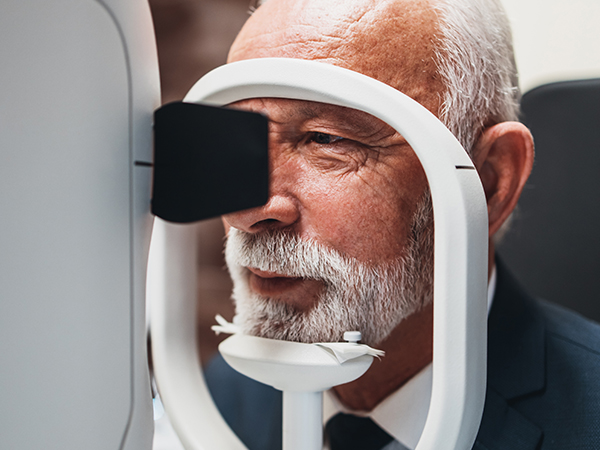
Training for low vision aids and devices helps people with reduced vision learn how to use tools effectively for reading, mobility, daily living, work, and hobbies. It is usually provided by professionals such as low-vision optometrists, occupational therapists, orientation and mobility specialists, and vision rehabilitation therapists. The training focuses on both device operation and visual strategies.
1. Initial Low Vision Assessment
Training begins with a comprehensive evaluation.
Conducted by a low-vision specialist.
Determines:
Remaining usable vision
Type of vision loss (central, peripheral, contrast, etc.)
Daily tasks the person wants to perform.
Common causes include conditions like Age‑Related Macular Degeneration, Glaucoma Diabetic Retinopathy, or Retinitis Pigmentosa.
The evaluation identifies which devices and training methods will work best.
2. Training to Use Optical Devices
Optical aids magnify images and improve detail. Training teaches users how to position the device and focus correctly.
Common devices
Handheld magnifiers
Stand magnifiers
High-powered reading glasses
Telescopes for distance viewing
Training includes
Proper working distance between eyes, device, and object.
Focusing techniques for telescopes or magnifiers.
Tracking and scanning text while reading.
Maintaining posture and lighting.
Practice is essential because magnified images reduce the field of view.
3. Training with Electronic and Digital Devices
Electronic aids provide adjustable magnification and contrast.
Examples:
Video magnifiers (CCTV systems)
Screen magnification software
Smartphone accessibility tools
Training covers:
Adjusting magnification level
Changing contrast and color settings
Navigating menus and controls
Using accessibility features in apps
Common accessibility tools may include software such as ZoomText or built-in features in devices like the Apple iPhone and Apple iPad.
4. Visual Skills Training
Users are taught techniques to make the best use of remaining vision.
Key techniques:
Eccentric viewing (looking slightly away from an object to see it better)
Scanning strategies for locating objects
Contrast enhancement
Lighting optimization
These strategies are especially important for central vision loss.
5. Activities of Daily Living Training
Low-vision rehabilitation includes learning how to apply devices in everyday tasks.
Examples:
Reading mail and medication labels
Cooking safely
Managing money
Writing and signing documents
Using household appliances
Occupational therapists often guide this training.
6. Mobility and Orientation Training
For individuals with significant vision loss, mobility training may be needed.
This may include:
Safe navigation indoors and outdoors
Street crossing techniques
Using landmarks and auditory cues
Training with mobility aids like the White Cane for the Blind.
This training is usually provided by orientation and mobility specialists.
7. Ongoing Practice and Follow-Up
Successful use of low-vision aids requires continued practice.
Follow-up sessions help:
Adjust magnification levels
Improve reading speed
Introduce new devices
Address new vision changes.

Contact Information
Office Hours
- Monday 9:00AM - 3:00PM
- Tuesday 9:00AM - 3:00PM
- Wednesday 9:00AM - 3:00PM
- Thursday 9:00AM - 3:00PM
- Friday 9:00AM - 3:00PM
- Saturday Closed
- Sunday Closed
© 2026 Low Vision Specialists. All rights Reserved. Accessibility Statement - Privacy Policy - Sitemap
Powered by:
