
Low Vision Assessment
What to Expect From a Low Vision Assessment!
As a low Vision specialist optometrist working in an exclusive low vision practice, I am often asked how a low-vision assessment differs from a routine eye examination.
A low-vision assessment is very different from a standard eye test—both in its focus and the time taken.
The primary aim is not to “fix” vision, but to assess how best to use the vision that remains to support everyday function and quality of life.
The Role of the Optometric Assessment
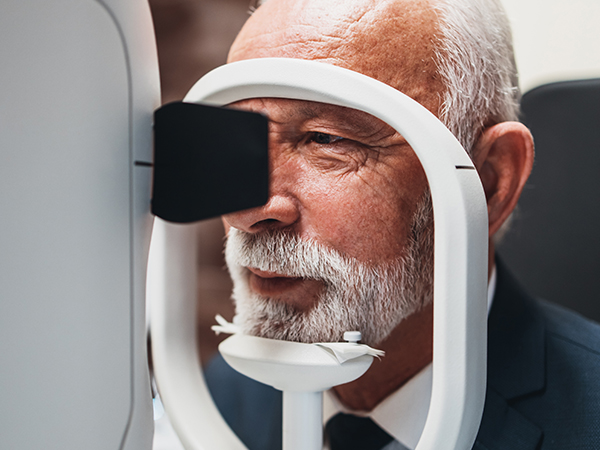
The process usually begins with an optometric assessment, which looks at your best corrected vision.
The first option is typically spectacle correction, as this provides a hands-free solution.
If spectacles alone are not sufficient, the optometrist may explore additional low-vision devices, such as magnifiers or other optical aids.
Functional and Occupational Considerations
Both the optometrist and Optometric Assistant will look beyond visual acuity to understand how your vision affects daily life, including:
Whether you are still working
How much time you spend on screens
Difficulties with reading, writing, or detailed tasks
Fatigue related to visual effort
You may also receive recommendations for:
Accessibility features on your phone or tablet
Useful mobile apps to support reading, navigation, reminders, or organisation
Preparing for Your Appointment
It is very helpful to attend the assessment with a clear idea of your goals and priorities, keeping them realistic and specific.
Not all activities require the same level of vision, so identifying what matters most to you is key.
You may be asked about:
Activities of daily living – dressing, personal care, medication management, cooking
Mobility and transport
Work-related challenges and possible accommodations your employer could provide
Hobbies and leisure activities you may be struggling with
Social and recreational participation
A low-vision assessment is a collaborative, problem-solving process, focused on helping you function as independently and confidently as possible.

Contact Information
Office Hours
- Monday 9:00AM - 3:00PM
- Tuesday 9:00AM - 3:00PM
- Wednesday 9:00AM - 3:00PM
- Thursday 9:00AM - 3:00PM
- Friday 9:00AM - 3:00PM
- Saturday Closed
- Sunday Closed
© 2026 Low Vision Specialists. All rights Reserved. Accessibility Statement - Privacy Policy - Sitemap
Powered by:
